Updated: July 2026
When is the Best Time for a Scenic Helicopter Tour in Bali?
- This period guarantees the highest chance of clear skies and minimal cloud cover, offering unobstructed views of volcanoes and coastlines.
- Flying during these ‘golden hours’ provides superior lighting for photography, casting dramatic shadows and rich colors across the landscape.
- Scheduling outside the midday peak (12 PM to 2 PM) helps avoid the equatorial heat haze and harsh overhead sun that can diminish visibility.
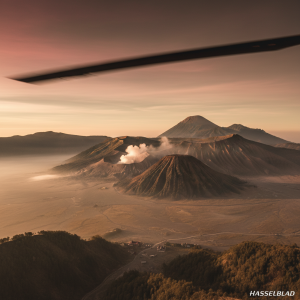
The rhythmic whump-whump-whump of the rotor blades becomes a steady heartbeat as the earth falls away. Below, the intricate geometry of Bali’s rice paddies unfurls, a thousand shades of green stitched together by shimmering water channels. The Robinson R66 banks gently, and suddenly the entire southern coastline is laid bare—a turquoise fringe breaking against sheer limestone cliffs. This is not just seeing Bali; it is an entirely different sensory experience, a perspective that redefines the very scale and grandeur of the Island of the Gods. But seizing this perfect moment, this flawless aerial vista, is a matter of precise timing. It’s a calibration of season, sun, and even culture.
Decoding Bali’s Two Seasons: The Decisive Factor for Aerial Views
As a travel editor who has spent years dissecting the nuances of global destinations, I can tell you that understanding a region’s microclimate is paramount for any high-value experience. In Bali, the decision-making process begins and ends with its two distinct seasons. The dry season, running roughly from April to October, is unequivocally the premier window for any Indonesia helicopter tour. During these months, the island receives less than 100 millimeters of rainfall monthly, a stark contrast to the deluge of the wet season. This translates to crystalline air, low humidity, and vast, unbroken blue skies—the perfect canvas for aerial exploration.
Visibility during this period is exceptional, often exceeding 20 kilometers. From an altitude of 1,500 feet, you can simultaneously trace the volcanic spine of the island, from the sacred peak of Mount Agung (standing at 3,031 meters) to the west, and the distant silhouette of Lombok’s Mount Rinjani to the east. Captain Iwan Setiawan, a veteran pilot with over 6,000 flight hours across the Indonesian archipelago, shared his perspective with me over coffee in Seminyak. “In the dry season, the air is stable,” he explained. “We can provide a smoother, more predictable flight path, especially around the caldera of Mount Batur. For photographers, it’s a dream; for us, it’s a matter of operational excellence.” Conversely, the wet season, from November to March, presents a different set of variables. While morning flights can still be magnificent, the afternoons are characterized by dramatic, short-lived downpours and significant cloud buildup, which can obscure the very landmarks you’ve come to see. January, the wettest month, can see over 350 millimeters of rain, making flexible scheduling a necessity.
The ‘Golden Hours’: Why Time of Day Matters More Than You Think
Once you’ve locked in the season, the next critical layer of planning is the time of day. In the tropics, the sun’s position can dramatically alter the texture, color, and mood of the landscape. I always advise my clients to think like a cinematographer. We are chasing the light. The two most coveted slots for a scenic helicopter tour are the morning window, from approximately 9 AM to 11 AM, and the late afternoon, between 3 PM and 5 PM.
The morning offers a particular kind of clarity. The air is cool and crisp after the night, and a gentle mist often still clings to the river valleys and jungle canopies around Ubud, which burns off as you ascend, creating a truly ethereal effect. The sun, sitting at a lower angle in the eastern sky, casts long, elegant shadows that accentuate the terraced contours of the Jatiluwih or Tegallalang rice fields. This is the time to capture the architectural detail of the landscape. The midday hours, from noon to 2 PM, while perfectly safe for flying, are less than ideal for connoisseurs of the view. The equatorial sun is directly overhead, creating a harsh, flat light that can bleach colors and flatten the topography. Furthermore, this is when ground heat creates the most significant thermal haze, slightly softening the sharp focus you get at other times. The late afternoon, however, brings its own magic. This is the famed ‘golden hour,’ when the light becomes warm and honey-toned. Flying south along the Bukit Peninsula towards Uluwatu Temple, perched 70 meters above the Indian Ocean, is an memorable experience as the cliffs ignite in amber hues. The sun glints off the breaking surf, and the entire scene is imbued with a cinematic quality. For a proposal or a celebratory flight, this pre-sunset timing is, without question, the most romantic and visually rewarding.
Aligning Your Flight with Balinese Cultural Events
A truly sophisticated itinerary goes beyond weather charts and considers the cultural pulse of a destination. Bali operates on its own unique calendar, the 210-day Pawukon cycle, which governs its vibrant ceremonial life. Timing your aerial tour to coincide with certain events can offer a perspective that is utterly unique. For instance, the Galungan and Kuningan festival period, which occurs roughly every seven months, sees the entire island come alive. Balinese families erect towering, gracefully arching bamboo poles called ‘penjor’ outside their homes. These are intricately decorated with coconut leaves, fruits, and flowers. Seeing thousands of these penjor lining the roads and villages from above is a remarkable sight, transforming the island into a living gallery of devotion.
According to the official tourism board, Indonesia Travel, these cultural flourishes are a core part of the island’s identity. From the air, you can witness the scale of these celebrations in a way that is impossible from the ground. Another key event to be aware of is Nyepi, the Balinese Day of Silence, which typically falls in March. For a full 24 hours, the entire island intentionally shuts down. Ngurah Rai International Airport (DPS) closes, all traffic ceases, and people stay within their homes. No flights of any kind are permitted. While this means you cannot fly on Nyepi itself, witnessing the island from the air the day before—as enormous ‘ogoh-ogoh’ effigies are paraded through the streets before their ritual burning—or the day after, when the island reawakens, is a study in profound cultural contrasts. Consulting with a knowledgeable charter service like Indonesia Helicopter Tours & Charter — National Network can help you align your flight with these unique, fleeting moments.
Tailoring the Timing to Your Itinerary: Volcanoes, Coasts, or Culture?
The optimal flight time can also depend on your specific points of interest. Not all of Bali’s landscapes are best viewed under the same light. If your primary objective is to witness the raw power of the island’s volcanoes, an early start is non-negotiable. Clouds have a tendency to form around the peaks of Mount Batur and Mount Agung as the day’s heat builds. I recommend a departure no later than 9 AM to ensure the best chance of a completely clear view into Batur’s 13.8-by-10-kilometer caldera and its serene crater lake. The morning sun illuminates the ancient lava flows, revealing textures and colors that are flattened by the midday sun.
Conversely, if your heart is set on the dramatic coastlines, the late afternoon is your stage. The cliffs of Uluwatu, the sea caves of Nusa Penida, and the iconic arch of Kelingking Beach are all westward-facing, meaning they are perfectly positioned to catch the warm, dramatic light of the setting sun. The water appears a deeper, more saturated blue, and the contrast between the white foam of the waves and the dark limestone rock is at its most pronounced. For an itinerary focused on the island’s cultural heartland, such as the rice terraces and river gorges around Ubud, either the morning or afternoon golden hours work beautifully. The key is avoiding the harsh overhead light of midday. The intricate ‘subak’ irrigation system, a UNESCO World Heritage site, is a marvel of landscape engineering. The low-angle light of morning or late afternoon is essential to truly appreciate the shadows and contours that define this ancient, communal agricultural system. A well-planned tour with a premier indonesia helicopter service will consider these geographical nuances to craft a truly bespoke experience.
Navigating Peak Tourist Season vs. Optimal Flying Conditions
The final piece of the puzzle is understanding the intersection of ideal weather with tourist traffic. Bali’s peak tourist seasons are July and August, and again over the Christmas and New Year period from late December to early January. Unsurprisingly, July and August fall squarely within the best dry-season weather window. This confluence means that demand for all luxury experiences, including private helicopter charters, is at its absolute peak. During these months, it is not uncommon for reputable operators to be fully booked weeks, or even months, in advance. If your travel plans are fixed for this period, my advice is to secure your flight booking as soon as you confirm your accommodation—think a 3- to 6-month lead time for a specific ‘golden hour’ slot.
For the discerning traveler, the true sweet spot lies in the shoulder seasons: April, May, June, September, and October. In these months, you benefit from the same superb dry-season flying conditions but with significantly fewer crowds on the ground and more flexibility in the air. Charter prices may be marginally more competitive, and you’ll have a much better chance of securing your preferred departure time with only a few weeks’ notice. I have long considered September to be the single best month to visit Bali. The weather is spectacular, the rice fields are still a vibrant green from the preceding rains, and the summer crowds have dissipated. It represents the perfect equilibrium between prime conditions and a more serene, exclusive experience of the island. Planning your aerial tour for these shoulder months is the ultimate insider move.
Quick FAQ: Your Bali Helicopter Tour Questions Answered
What happens if the weather is bad on the day of my tour?
Safety is the absolute, non-negotiable priority. Reputable operators constantly monitor aviation weather reports. If conditions are deemed unsafe (high winds, low cloud ceiling, heavy rain), your flight will be rescheduled for the next available slot with suitable weather. If rescheduling is not possible due to your travel plans, a refund is typically offered, in line with the company’s booking policy.
How far in advance should I book my helicopter tour?
This depends on the season. For peak season (July, August, late December), I strongly recommend booking 2 to 3 months in advance to secure your desired time. During the shoulder season (April-June, Sept-Oct), 2 to 4 weeks is often sufficient. For the low season, a few days’ notice might be possible, but booking early is always the best practice.
Is there a weight limit for passengers on a helicopter tour?
Yes. Aviation safety regulations require strict adherence to weight and balance limitations for the aircraft. Operators will ask for the individual weight of each passenger at the time of booking. Limits vary by helicopter model, but for an aircraft like the Robinson R66, the per-seat limit is often around 136 kg (300 lbs), with a total payload limit for all passengers and baggage.
What is the best thing to wear for a scenic flight?
To get the best photos, wear dark-colored clothing. White or bright colors can create a strong reflection in the helicopter’s windows, which will show up in your pictures. Comfortable clothing is a must, and avoid loose items like hats or scarves that could be a hazard around the aircraft on the ground. Sunglasses are also highly recommended.
Ultimately, a helicopter tour over Bali is more than a simple sightseeing trip; it is a fundamental shift in perspective. It’s the moment you grasp the sheer volcanic force that created the island, the intricate human artistry that shaped its landscapes, and the awesome power of the ocean that surrounds it. Timing this experience correctly—by choosing the dry season, aiming for the golden hours, and understanding the island’s unique character—elevates it from a memorable activity to the defining moment of your journey. It’s an investment in a memory that will last a lifetime. Ready to witness Bali from the ultimate vantage point? Explore the curated aerial experiences and connect with a flight concierge at indonesia helicopter to design your bespoke journey across the Island of the Gods.